The Earth is a non-human archive. Traces of synergetic design processes are inscribed into its surface. Its autopoietic images are made visible through climate change and extreme weather phenomena.
As it seems the Earth can no longer be thought without mankind since many changes are already irreversible. What if thinking mankind without the Earth doesn't make sense either? The planet Earth isn't just a passive playground for humans to act upon, but rather it's the main actor in a comprehensive and dynamic ecosystem. Therefore, environmental disasters, extreme weather and in general climate change phenomena become perceptible indicators for profound system changes and witnesses of preceding processes at the same time.
We propose a notion of the Earth as a living and ever-changing archive. Accelerated by human influence, effects of climate change reveal human design activities on larger scale that were inscribed and are not visible anymore.
Altogether, we are interested in the man-made climate change as a medium of indication. As a process of materialisation it visualises societal interventions on and against the Earth and its inhabitants through nature itself. The man-accelerated ecological processes, thus, become a method of post-human design. Without explicit human intention, effects of climate change reveal the evenly unintentional archival processes of human cultural activities of the Earth. A geo-epistemic serendipity which implies non-human distinction processes that are too sensitive for a human understanding of the world.
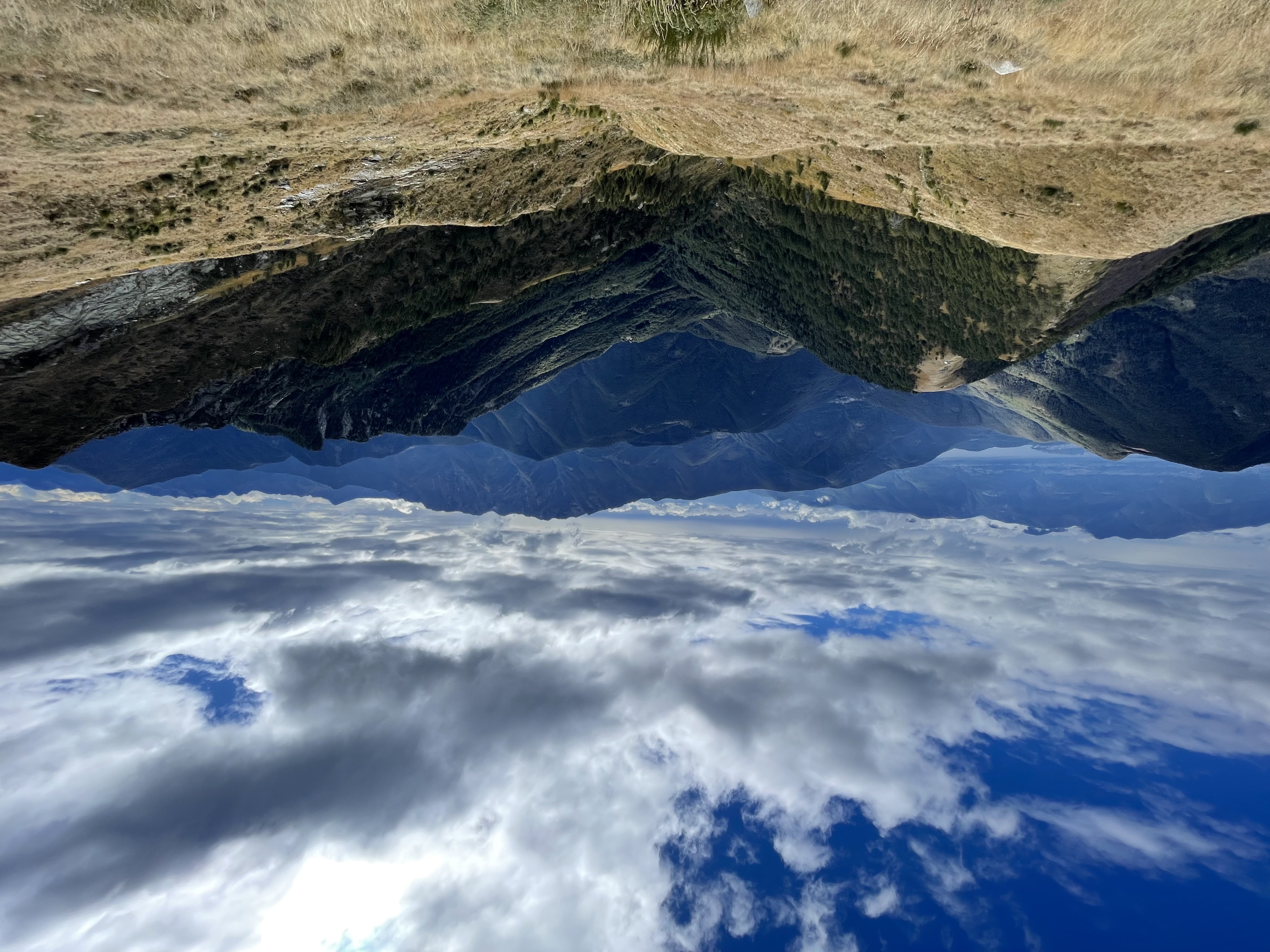
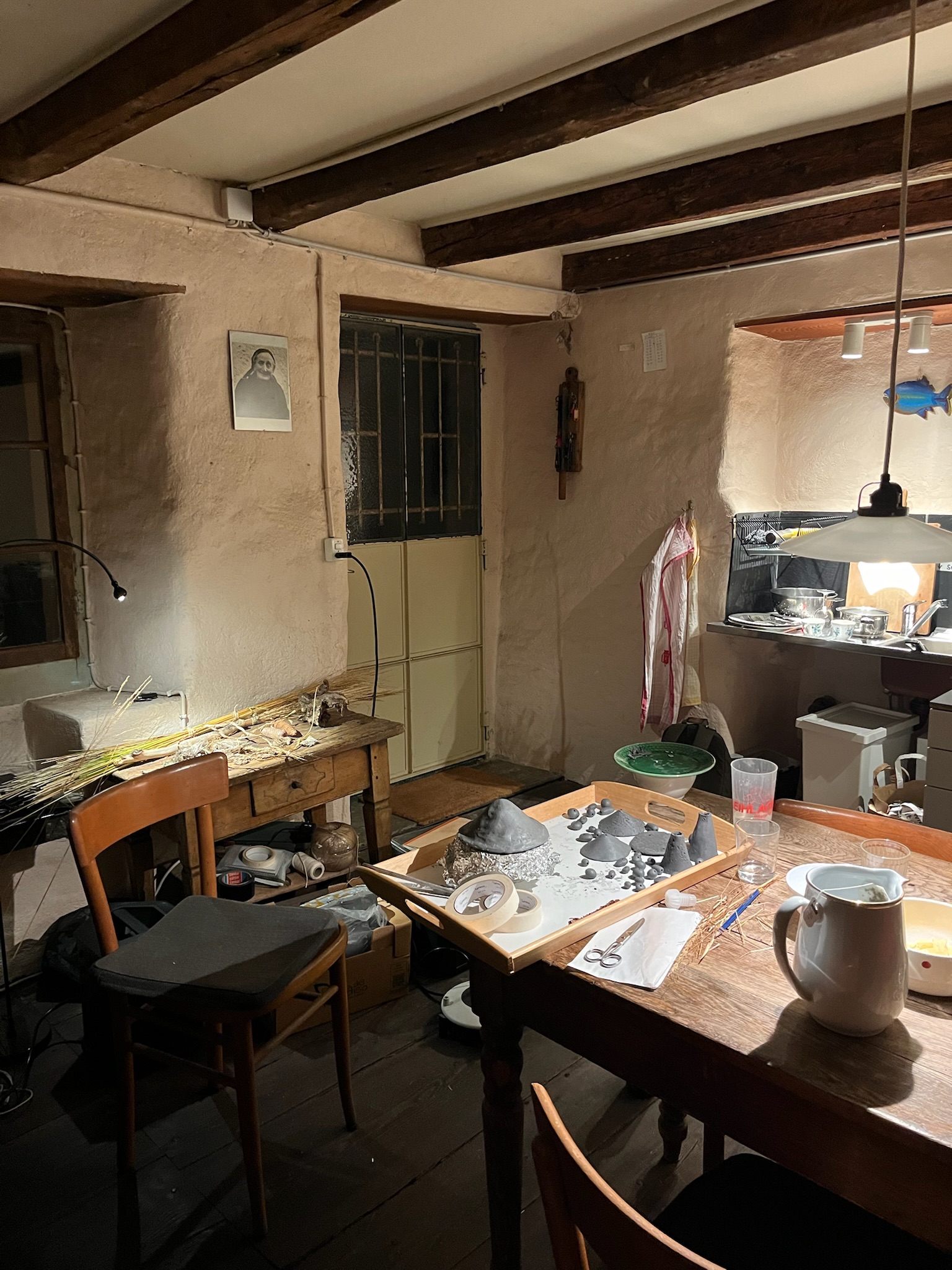
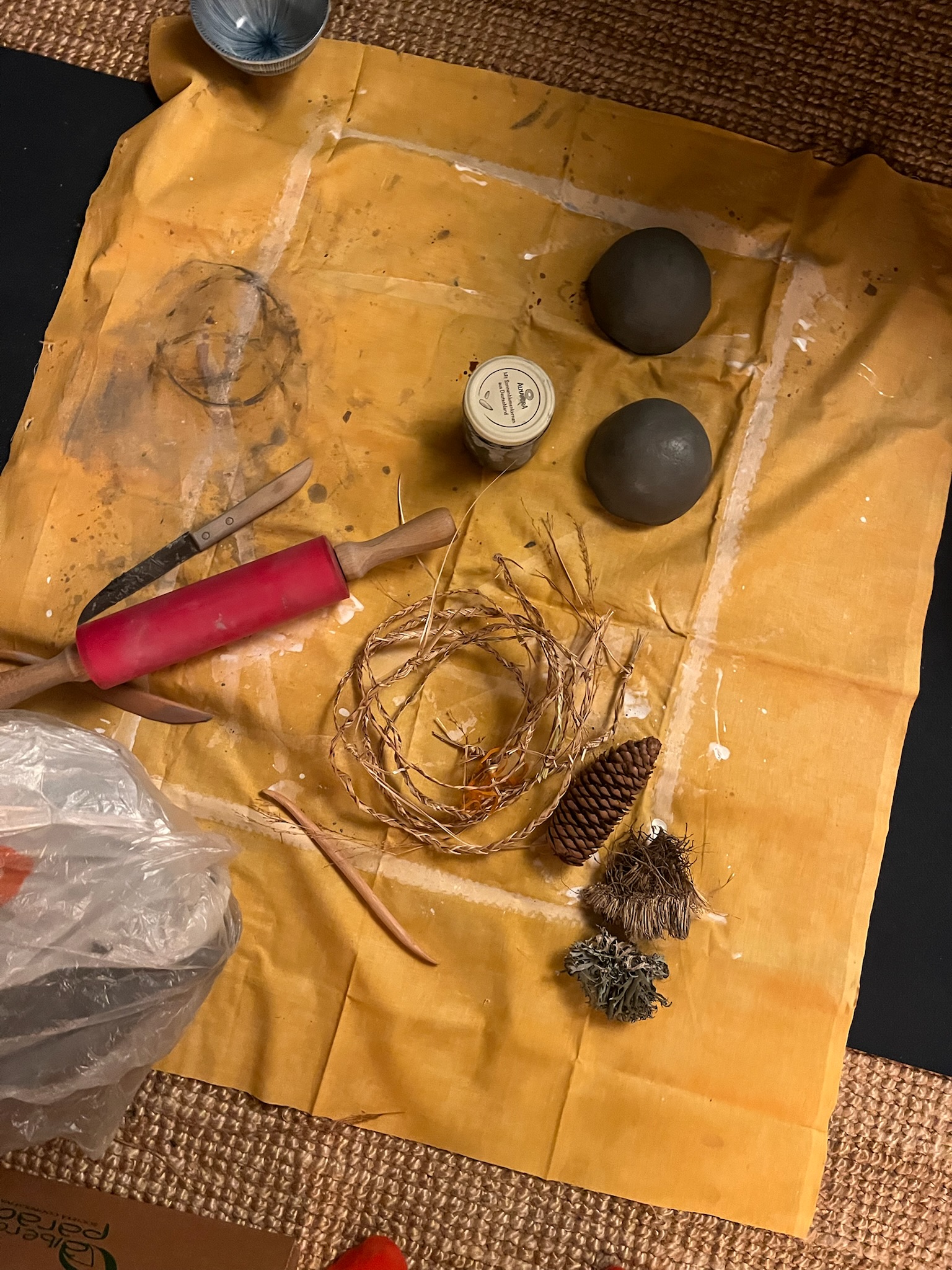
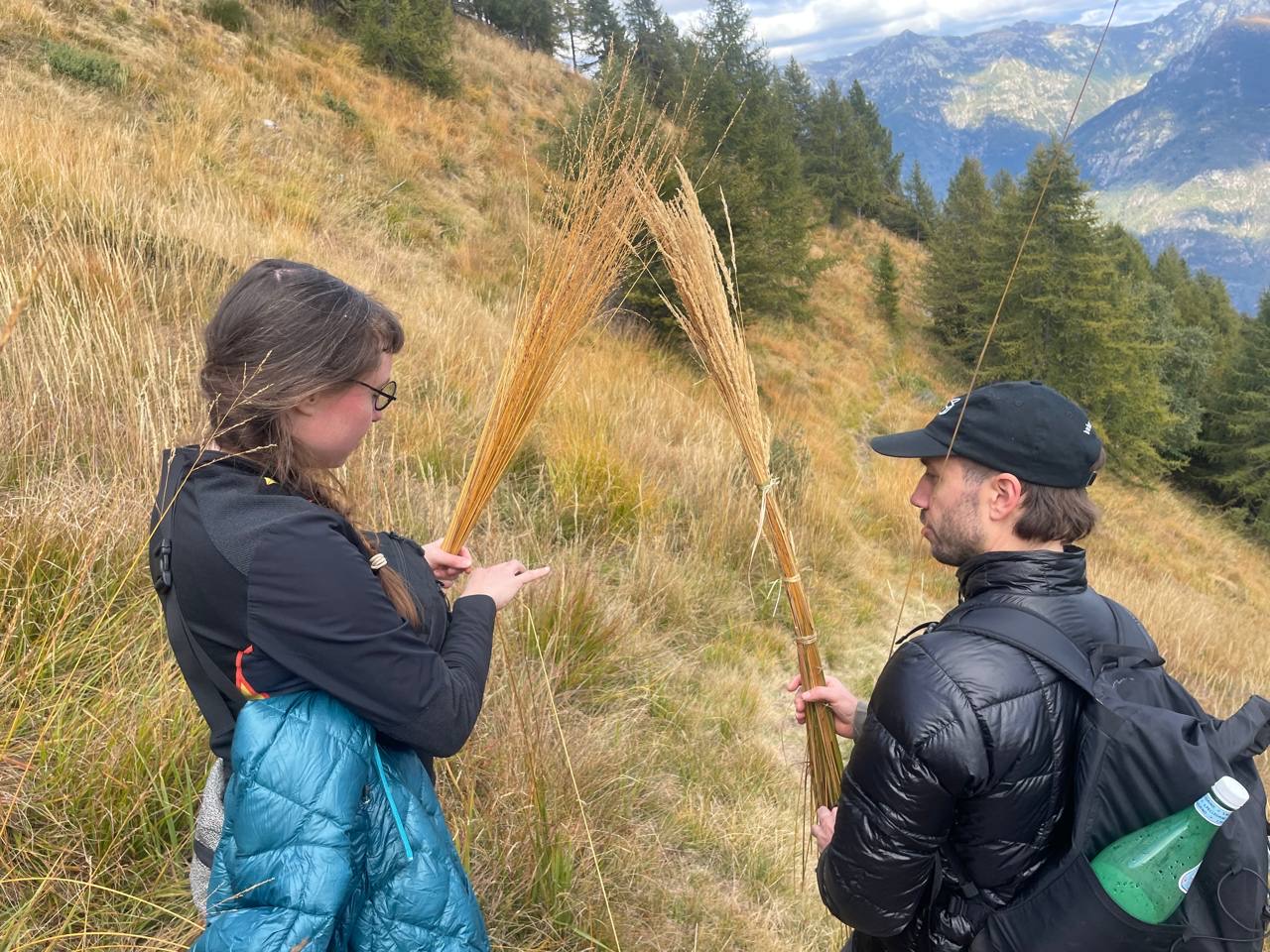
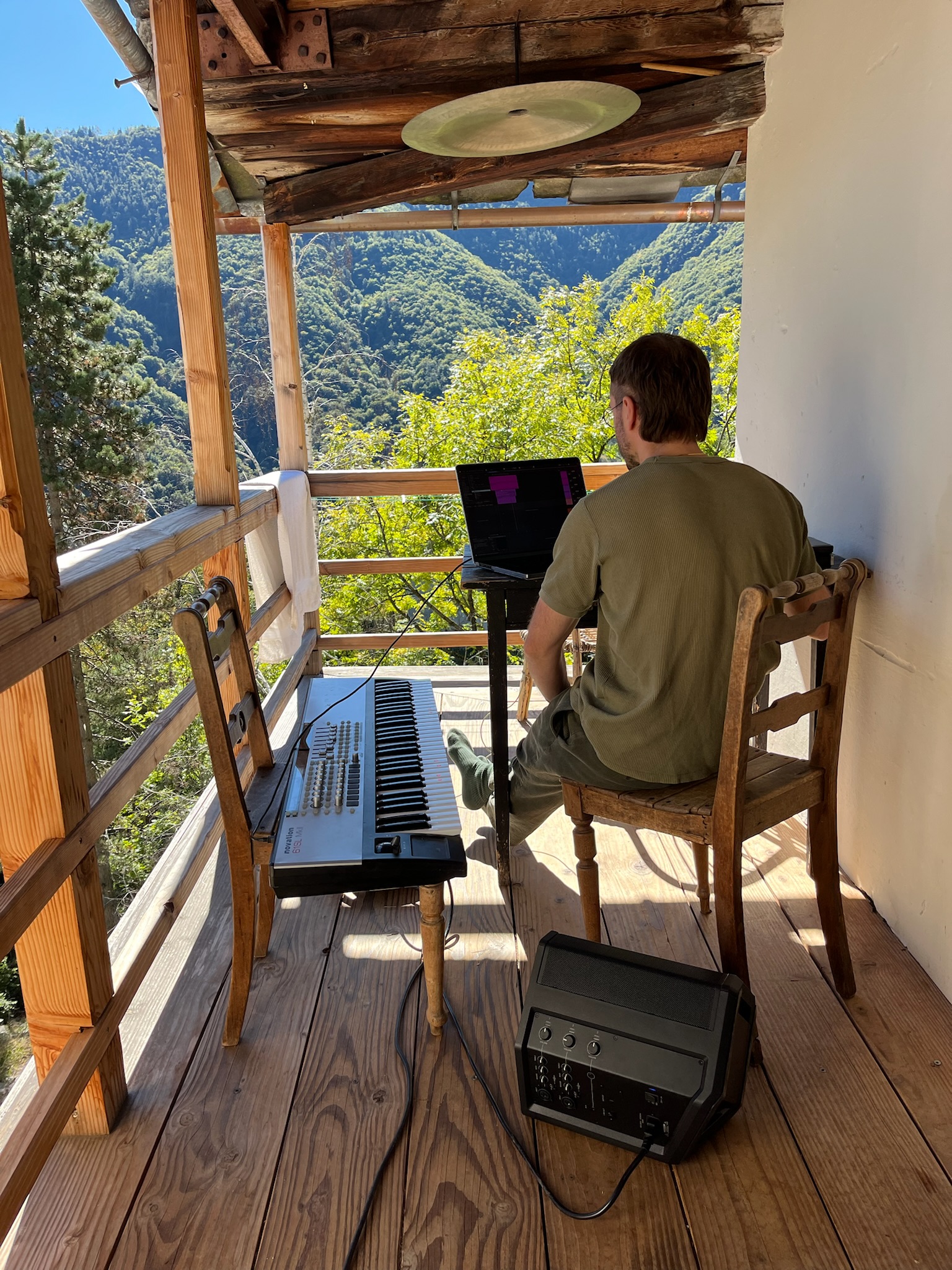
Our field trip to the Onsernone Valley in Ticino traced the Alps as both a seismograph of climate change and an archive of the Anthropocene, where geological forces and cultural histories continually reshape one another. During an artist residency at Casadirosa in Loco, we hiked through shifting topographies while collecting field recordings and samples of grasses, mosses and minerals to attune to the region’s material and atmospheric transformations. Through a multimodal practice (gathering traces, mapping soundscapes, shaping objects and diagrammatic speculations) we explored how the Alps register and narrate ongoing processes of environmental and social change.